
As we age, our skin naturally loses collagen, elastin, and volume, leading to the development of fine lines, wrinkles, and facial hollowness. Fortunately, modern aesthetic treatments offer effective non-surgical solutions to help restore a youthful appearance.
Two of the most popular treatments are anti-wrinkle injections and dermal fillers. While both can help rejuvenate the face, they work in very different ways and are designed to address different concerns.
At Cosmetic Choice in Gerrards Cross, Dr Kat Bennett helps patients choose the most suitable treatment based on their individual goals, facial anatomy, and desired results.
What Are Anti-Wrinkle Injections?
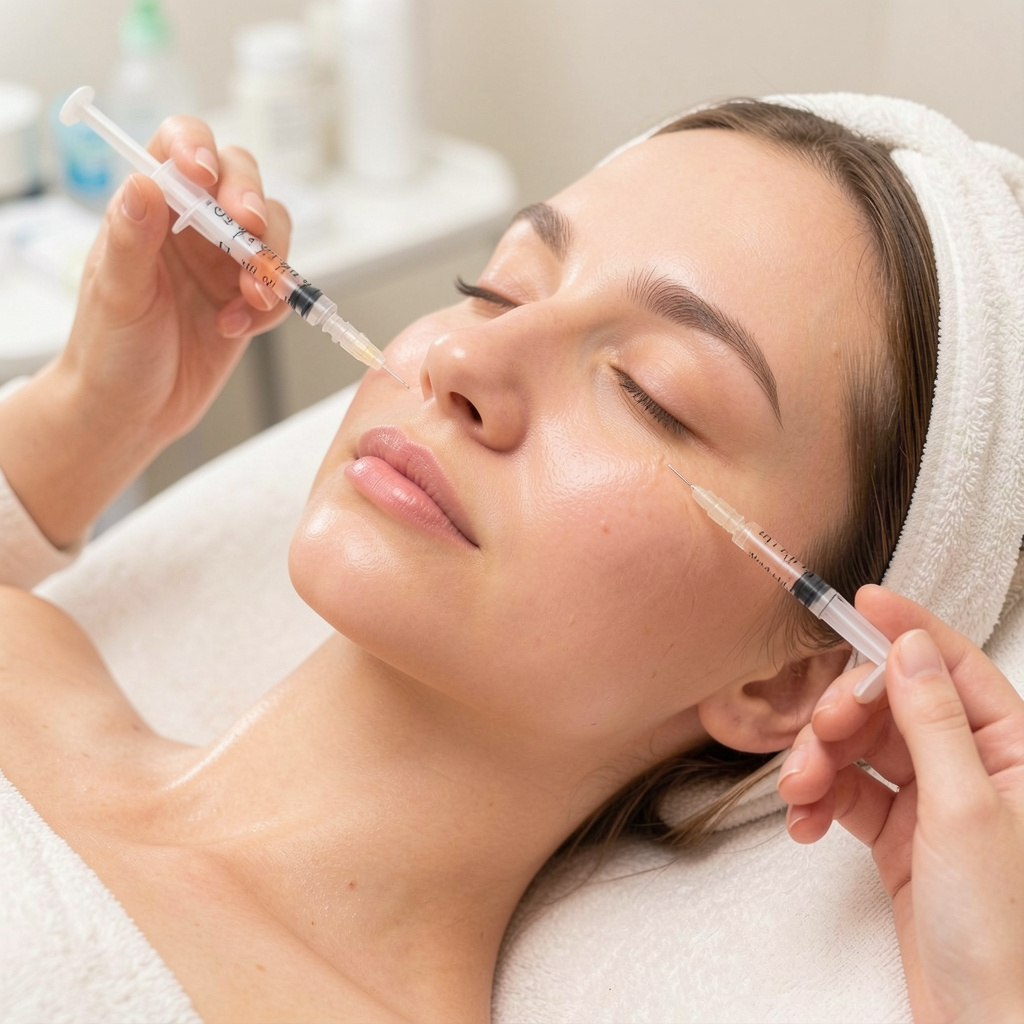
Anti-wrinkle injections are designed to relax specific facial muscles that cause expression lines and dynamic wrinkles. These wrinkles develop over time due to repeated facial movements such as smiling, frowning, squinting, and raising the eyebrows. The treatment temporarily reduces muscle activity, helping the skin appear smoother and more refreshed.
Dermal fillers erase wrinkles and replace lost volume within minutes. Fillers are excellent at smoothing, lifting, and adding definition to the skin. Dermal Filler (Hyaluronic acid) contains a form of hyaluronic acid in a clear gel. This substance occurs naturally in the body but depletes as we age. It is a very effective treatment option for the reduction of facial lines, and wrinkles as well as adding or restoring volume to areas of the face such as lips, cheeks, and temples.
Dr Kat is an experienced, highly-skilled doctor. You will be treated by an experienced and highly trained GMC registered doctor with a passion for beauty, known for her friendly approach and gentle technique, which remains up-to-date with the latest advances and equipment.
Common Areas Treated with Anti-Wrinkle Injections
- Forehead lines
- Frown lines (between the eyebrows)
- Crow's feet around the eyes
- Bunny lines on the nose
- Chin dimpling
- Jaw clenching and teeth grinding
- Neck bands
Benefits of Anti-Wrinkle Injections
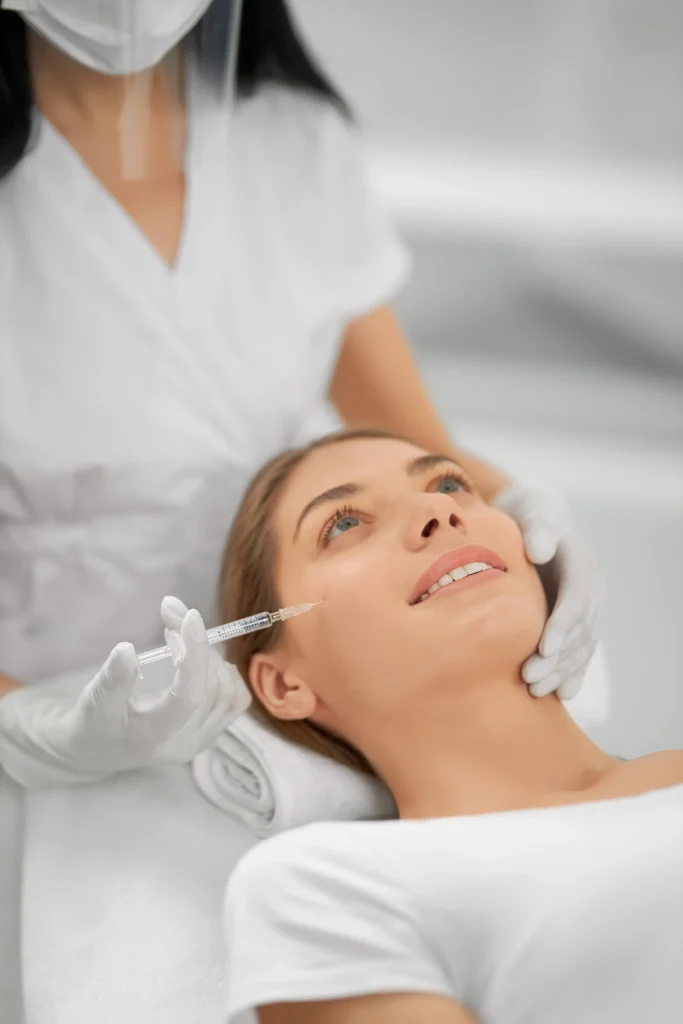
Most patients begin to notice results within a few days, with full effects visible after 10 to 14 days. Results typically last between 3 and 4 months.
- Non-surgical treatment
- Quick procedure
- Minimal downtime
- Natural-looking results
- Helps prevent deeper wrinkle formation
- Suitable for both men and women